Paint Protection Film (PPF) care determines how long the film maintains its clarity and protective performance. This guide will explain what PPF is, how to manage the critical post-installation curing period, routine cleaning techniques, safe and unsafe products, strategies against environmental threats, troubleshooting common issues, and advanced long-term maintenance routines. By following these steps, vehicle owners in the Bay Area, Sacramento, and San Diego can enhance film longevity, preserve showroom gloss and comply with warranty requirements for paint protection film care.
Paint Protection Film (PPF) is a transparent thermoplastic urethane layer applied over automotive paint to safeguard against physical and environmental damage while preserving original finish quality. Proper maintenance prevents film degradation, yellowing and loss of hydrophobic performance. For example, regular pH-neutral washes support self-healing properties and extend film lifespan.
Below is a summary of primary advantages and available PPF variants:
| Finish Type | Main Characteristic | Ideal Application |
|---|---|---|
| Gloss | High-reflective clarity | Standard show-quality protection |
| Matte | Non-reflective, satin look | Modern styling or colour accent |
| Coloured | Tinted overlay | Accent stripes or custom wraps |
These film types combine protective benefits with tailored aesthetics, leading into how PPF shields vehicle paint beneath.
Paint Protection Film protects automotive paint by creating a sacrificial barrier that absorbs debris impacts and blocks chemical contaminants. Key protective mechanisms include:
Paint Protection Film (PPF) features self-healing capabilities, where its molecular structure can reform with ambient heat. This allows minor scratches and swirls to disappear over time, effectively protecting the car’s paint from minor damage and maintaining the film’s pristine appearance.
This source from a leading manufacturer directly explains the scientific basis for PPF’s self-healing properties, supporting the article’s claims about this key benefit.
By maintaining these attributes, PPF supports long-term preservation of original paint beneath.
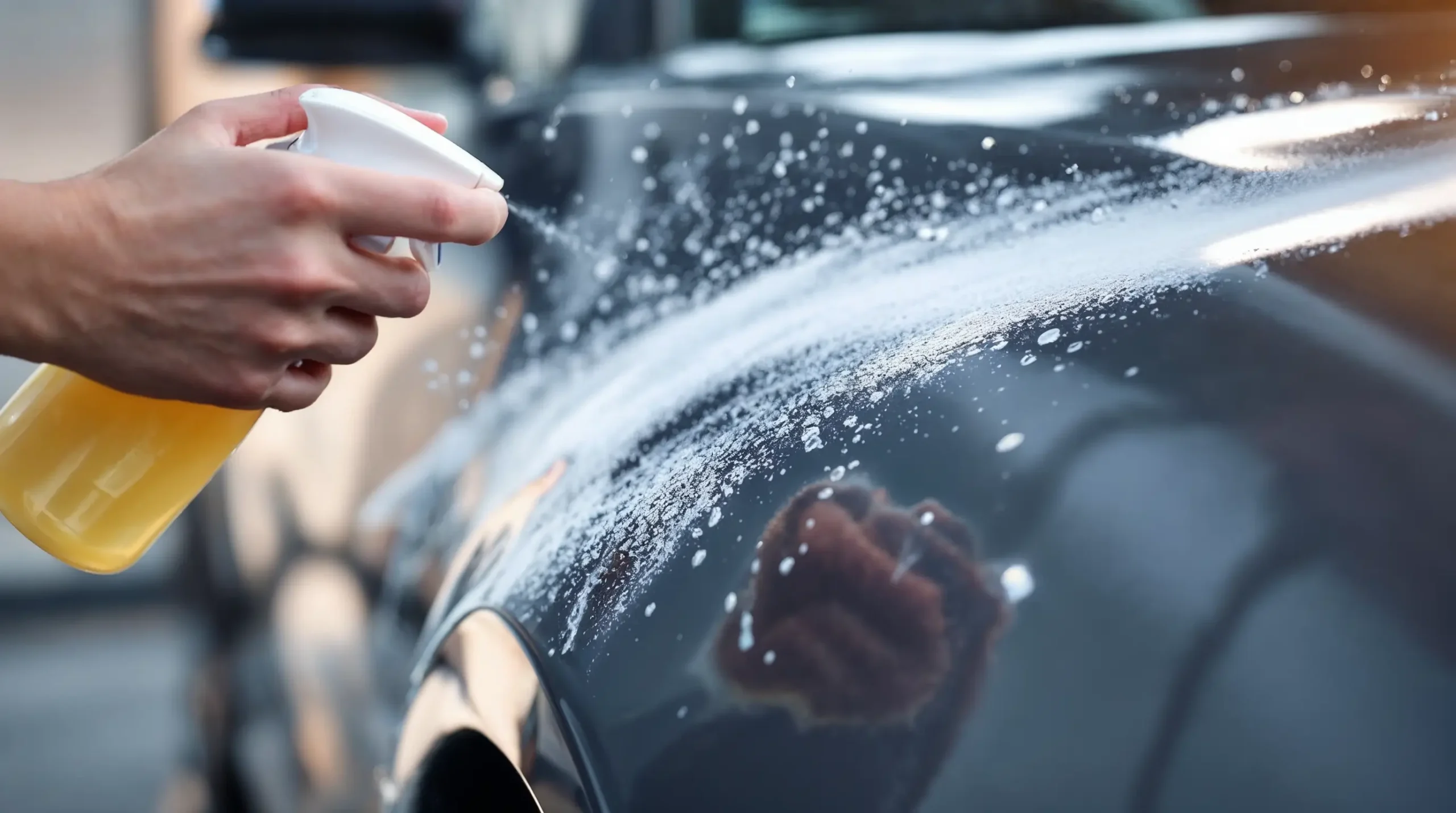
Environmental contaminants can degrade film clarity and hydrophobic function through prolonged exposure. Principal threats include:
Modern Paint Protection Film (PPF), primarily composed of thermoplastic polyurethane (TPU), is engineered to actively reflect and absorb harmful UV rays. This advanced material can block up to 99% of UVA and UVB radiation, thereby preserving the vehicle’s underlying paint from fading and oxidation caused by sun exposure.
This research-backed explanation confirms how PPF provides UV protection, directly supporting the article’s section on UV resistance and minimizing damage from solar radiation.
Prompt mitigation of these threats prepares the way for optimal post-installation care.
Immediate post-installation care ensures adhesive bonding and film conformity to paint contours. During curing, improper handling can introduce stretching, lifting or adhesive voids. By adhering to initial guidelines, vehicle owners boost film durability right from the start.
New PPF requires a curing period of 48 to 72 hours for adhesive to fully bond and elastic memory to stabilise under ambient conditions. During this timeframe, the film’s integrity improves as heat and humidity activate the polyurethane, supporting long-term adhesion and optimal self-healing capacity.
Avoid these actions until the film has set:
Steering clear of these risks supports uniform curing and prevents early blemishes on the film.
Small bubbles and wrinkles can appear if moisture or air gets trapped during fitting. To smooth out these imperfections:
These steps improve film adhesion and deliver a uniform finish before routine maintenance begins.

Regular cleaning prevents contaminant build-up and preserves film hydrophobic performance. A structured washing routine improves gloss, supports self-healing and mitigates long-term staining.
Routine washing every one to two weeks removes surface debris and waterborne minerals before they etch the film or impair the hydrophobic layer. Consistent cleaning intervals reinforce protective capabilities and prevent cosmetic damage.
Follow this two-bucket washing method for safe PPF cleaning:
These steps minimise swirl marks and maintain the film’s hydrophobic surface.
Choosing appropriate supplies reinforces film integrity. Recommended products include:
Using these items ensures efficient cleaning without compromising PPF performance.
Dry the film immediately to inhibit mineral deposits:
Prompt and effective drying sustains film clarity and prevents spot etching.
Selecting compatible cleansers and protective agents strengthens PPF while avoiding damage from harsh chemicals or abrasive tools.
| Product Type | Key Feature | Main Benefit |
|---|---|---|
| pH-Neutral Car Shampoo | Gentle cleaning formula | Preserves film elasticity |
| Polymer Detail Spray | Light SiO₂ infusion | Boosts hydrophobic gloss |
| Hybrid Sealant | Bonding polymers | Provides an extra protective layer |
These PPF-approved products combine safe cleaning with added durability.
Avoid materials that break down polyurethane or abrade surfaces:
Steering clear of these items maintains film strength and clarity.
Yes, applying a dedicated wax or ceramic coating over PPF enhances durability and simplifies cleaning when using properly formulated products. For professional-grade hydrophobic performance, explore our ceramic coating services that complement film protection without compromising adhesive or self-healing attributes.
Applying a ceramic coating over Paint Protection Film (PPF) is recommended by experts to significantly enhance a vehicle’s appearance and longevity. This combination improves chemical resistance against harsh contaminants, extends the overall durability of both layers, and simplifies maintenance routines.
This expert opinion from a ceramic coating manufacturer validates the benefits of combining ceramic coating with PPF, reinforcing the article’s advice on advanced long-term maintenance and enhanced protection.
Beyond routine cleaning, strategic precautions preserve PPF against UV degradation, acid etch and staining from biological contaminants.
UV radiation degrades polyurethane chains in the film, leading to yellowing and loss of elasticity over time. To minimise UV impact:
These steps support long-term clarity and film performance.
Prompt spot cleaning prevents etching and staining. Safe removal methods include:
Timely action maintains a blemish-free surface.
Applying a ceramic coating over PPF forms an additional hydrophobic barrier that improves chemical resistance, reduces dirt adhesion and extends cleaning intervals. For optimal results, consider professional-grade ceramic coatings for PPF to strengthen UV resistance and boost surface gloss while simplifying maintenance.
Even well-maintained PPF can exhibit cosmetic issues that require corrective steps to restore appearance and performance.
Water spots occur when dissolved minerals dry on film and etch the surface. To address them:
Consistent drying and protective resets prevent recurring spotting.
Air pockets or adhesive failure during installation can trigger bubbles, lifting or peeling. Minor entrapped air can often be pressed out with a squeegee and moderate heat, but persistent or spreading defects require professional reinstallation to restore full protection. For expert assistance with PPF issues in the Bay Area, Sacramento, or San Diego, consult local specialists.
Yellowing stems from UV degradation and chemical staining. Prevention strategies include:
Proactive maintenance retains film clarity and original colour fidelity.
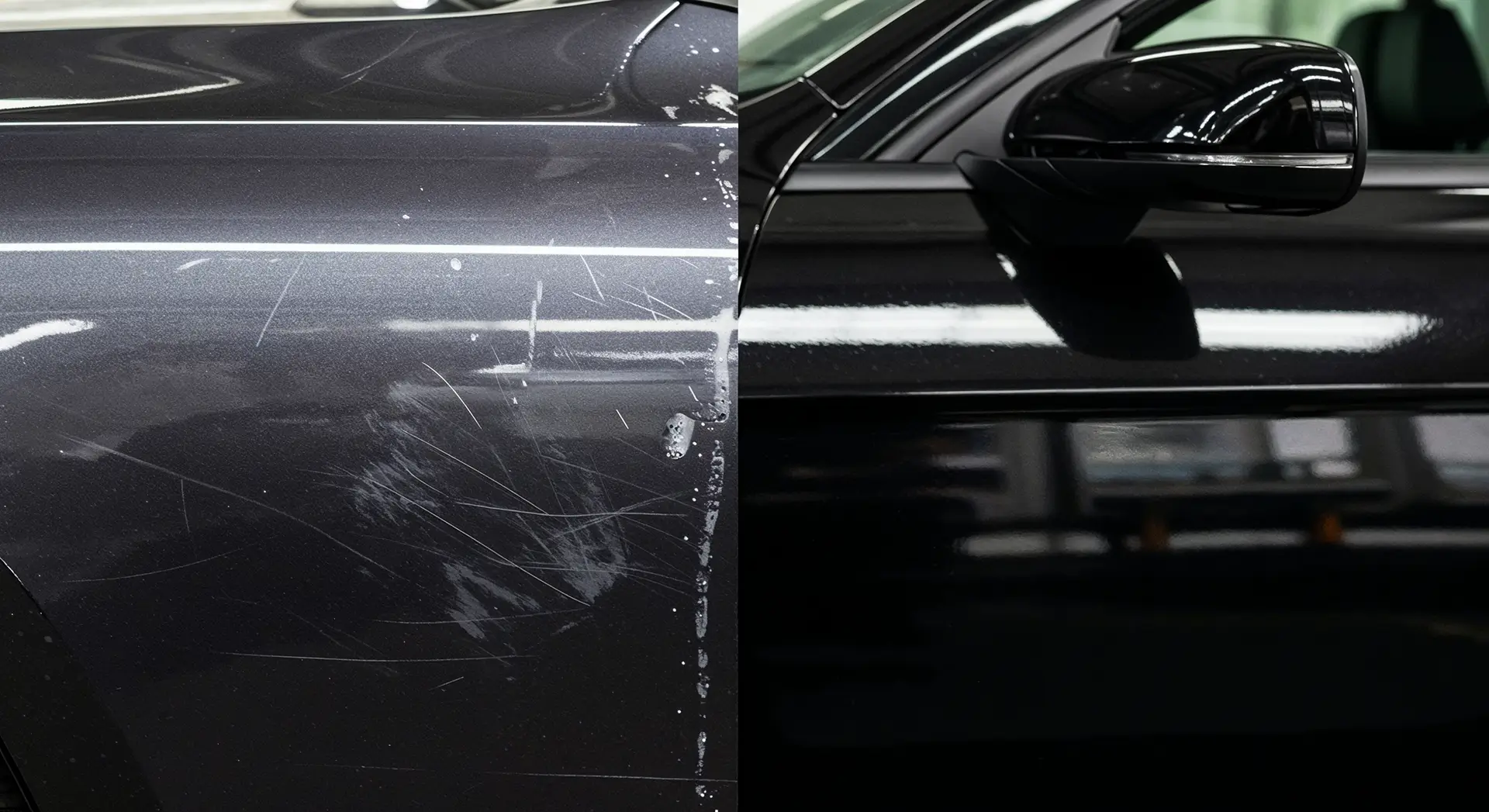
Long-term routines involving inspections, professional services and timely repairs guarantee that PPF continues its protective role over years of use.
Scheduled check-ups every three months help detect edge lifting, dirt accumulation in seams and minor surface damage. A professional inspection annually ensures proper film adhesion, optimal curvature conformity and sustained protective performance.
Consider repair or replacement when you observe any of the following:
Timely intervention maintains continuous protection.
Adhering to manufacturer care guidelines—using approved products, following washing schedules and documenting maintenance—ensures that warranty conditions remain valid and film performance meets design specifications. Proper upkeep translates to extended coverage and consistent protective results.
Looking for expert Paint Protection Film installation or ceramic coating services in the Golden State? Our certified professionals in the Bay Area, Sacramento, and San Diego are ready to provide top-tier care for your vehicle.
For the ultimate in vehicle aesthetics and protection, we highly recommend our exclusive Jet Black Tint. This premium offering combines advanced Paint Protection Film, delivering unparalleled gloss, hydrophobic performance, and long-lasting defense against physical and environmental hazards. It’s the best option for discerning vehicle owners in California seeking superior care.
When maintained according to these practices, Paint Protection Film provides enduring defence against physical and environmental hazards. By combining routine cleaning, correct product usage and strategic environmental precautions, vehicle owners reinforce film integrity and aesthetic appeal for years to come. For expertise in ceramic coatings that complement PPF protection, consider our professional ceramic coating services in the Bay Area, Sacramento, or San Diego to elevate hydrophobic performance and UV resistance. Consistent application of these methods sustains showroom gloss and supports the warranty benefits of your paint protection investment.