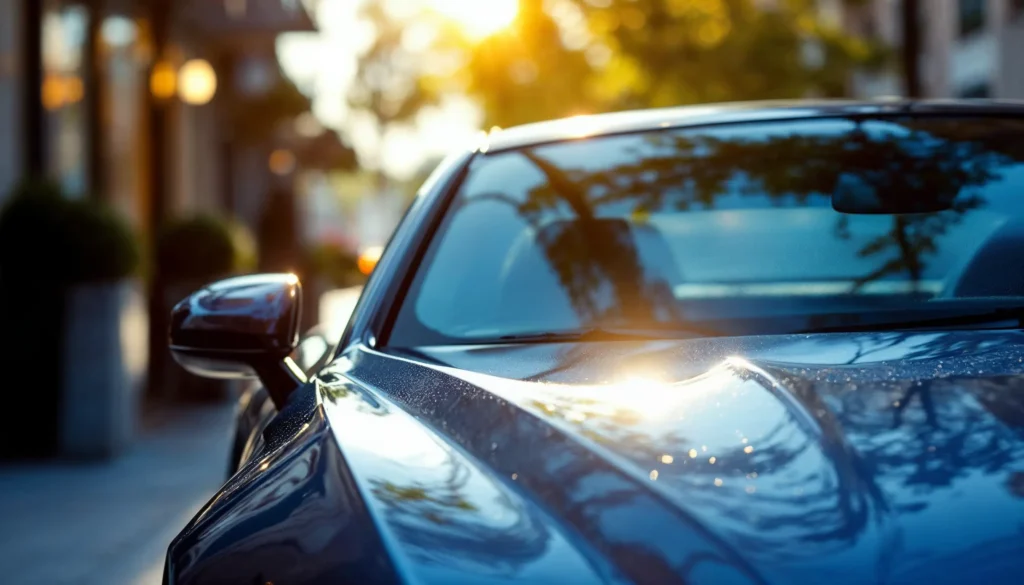
Your car is more than just a mode of transportation—it’s an investment. Keeping it looking new requires protection from sun, debris, and environmental damage. In California, particularly in the Bay Area and San Diego, vehicles are exposed to intense UV rays, coastal salt, and urban pollutants. Two of the most effective ways to protect your car’s paint are ceramic coating and paint protection film (PPF). While they share the goal of preserving your vehicle’s finish, they work in different ways and serve unique purposes.
Understanding the differences can help you make the right choice for your car.
Ceramic coating is a liquid polymer applied to your car’s exterior. Once applied, it chemically bonds with the vehicle’s paint, forming a semi-permanent protective layer. This coating provides a glossy, hydrophobic surface that repels water, dirt, and contaminants.
UV Protection: Helps prevent paint fading and oxidation caused by California’s strong sun.
Hydrophobic Properties: Water and contaminants bead and slide off easily, making washing simpler.
Minor Scratch Resistance: Protects against light swirl marks and scratches from washing.
Enhanced Gloss: Gives your vehicle a deep, showroom-quality shine.
Chemical Resistance: Shields the paint from bird droppings, tree sap, and road pollutants.
Ceramic coating is particularly beneficial for daily-driven vehicles or luxury cars that need consistent maintenance without frequent waxing. While it provides excellent protection against environmental factors, it does not stop rock chips or major scratches.
Paint Protection Film (PPF) is a thick, clear, durable film applied to the paint. Unlike ceramic coating, which chemically bonds with the paint, PPF acts as a physical barrier that absorbs impacts and protects against damage from road debris, rocks, and minor collisions.
Impact Protection: Shields high-impact areas from chips, scratches, and minor dings.
Self-Healing Technology: Minor scratches and swirl marks can disappear over time due to heat-activated self-healing properties.
UV Resistance: Prevents paint fading from sunlight exposure.
Long-Term Durability: Can last 5–10 years depending on maintenance and driving conditions.
Custom Coverage: Can be applied to high-risk areas like hoods, bumpers, side mirrors, and full-body coverage if desired.
PPF is ideal for sports cars, performance vehicles, or cars frequently driven on highways where road debris is a common threat.
| Feature | Ceramic Coating | Paint Protection Film (PPF) |
|---|---|---|
| Protection Type | Chemical bond; repels dirt, water, UV rays | Physical barrier; absorbs impacts and prevents chips |
| Durability | 2–5 years | 5–10 years |
| Scratch Protection | Minor scratches, swirl marks | Moderate scratches, rock chips |
| Gloss / Appearance | High gloss and showroom finish | Transparent; can be glossy or matte |
| Maintenance | Regular washing with pH-neutral shampoo | Low-maintenance; easy to clean |
| Best Use | Daily-driven cars, aesthetic-focused | High-speed driving, exposed vehicles, luxury cars |
| Cost | Lower upfront cost | Higher upfront cost |
Yes! Many car enthusiasts in California combine PPF on high-risk areas (hood, bumper, side mirrors) with a full-body ceramic coating. This approach maximizes protection while maintaining a deep, glossy shine. PPF handles physical damage, and ceramic coating keeps the car cleaner for longer while enhancing gloss.
Sun Exposure: The intense California sun accelerates paint oxidation. Ceramic coating shields your paint, while PPF prevents discoloration from minor impacts.
Coastal Salt & Pollution: Bay Area and San Diego drivers face salty air, sand, and urban pollutants. Both ceramic coating and PPF protect against these environmental threats.
Resale Value: Keeping your car’s exterior flawless preserves its value over time, whether you’re selling or trading in.
Ceramic Coating:
Wash regularly with a pH-neutral car shampoo.
Avoid harsh chemicals or abrasive towels.
Dry with microfiber cloths to prevent swirls.
PPF:
Rinse off dirt and road grime frequently.
Minor scratches will self-heal with exposure to heat (sunlight or warm water).
Avoid abrasive pads or aggressive chemicals that may damage the film.
Q1: What is the difference between ceramic coating and PPF?
Ceramic coating provides chemical protection and gloss, while PPF offers a physical barrier against chips and scratches. Many car owners use both for full protection.
Q2: How long does ceramic coating last?
Professional ceramic coatings last 2–5 years, depending on maintenance and environmental exposure.
Q3: How long does PPF last?
PPF can last 5–10 years and offers the strongest protection against road debris and physical damage.
Q4: Can I apply ceramic coating over PPF?
Yes. Applying ceramic coating over PPF enhances shine, hydrophobic properties, and makes cleaning easier.
Q5: Is professional installation necessary?
Professional application is highly recommended for both PPF and ceramic coating to ensure proper adhesion, durability, and flawless results.
Q6: Does PPF yellow over time?
High-quality PPF from trusted brands is resistant to yellowing and UV damage, even in California’s sunny climate.
Keep your car looking new and fully protected in California, Bay Area, and San Diego with Jet Black Tint’s professional services.
Ceramic Coating: Maintain a glossy finish, repel water and dirt, and shield against UV damage.
Book Your Ceramic Coating Service Today
Paint Protection Film (PPF): Prevent rock chips, scratches, and environmental damage with high-quality, precise installation.
Book Your Paint Protection Film Service Today