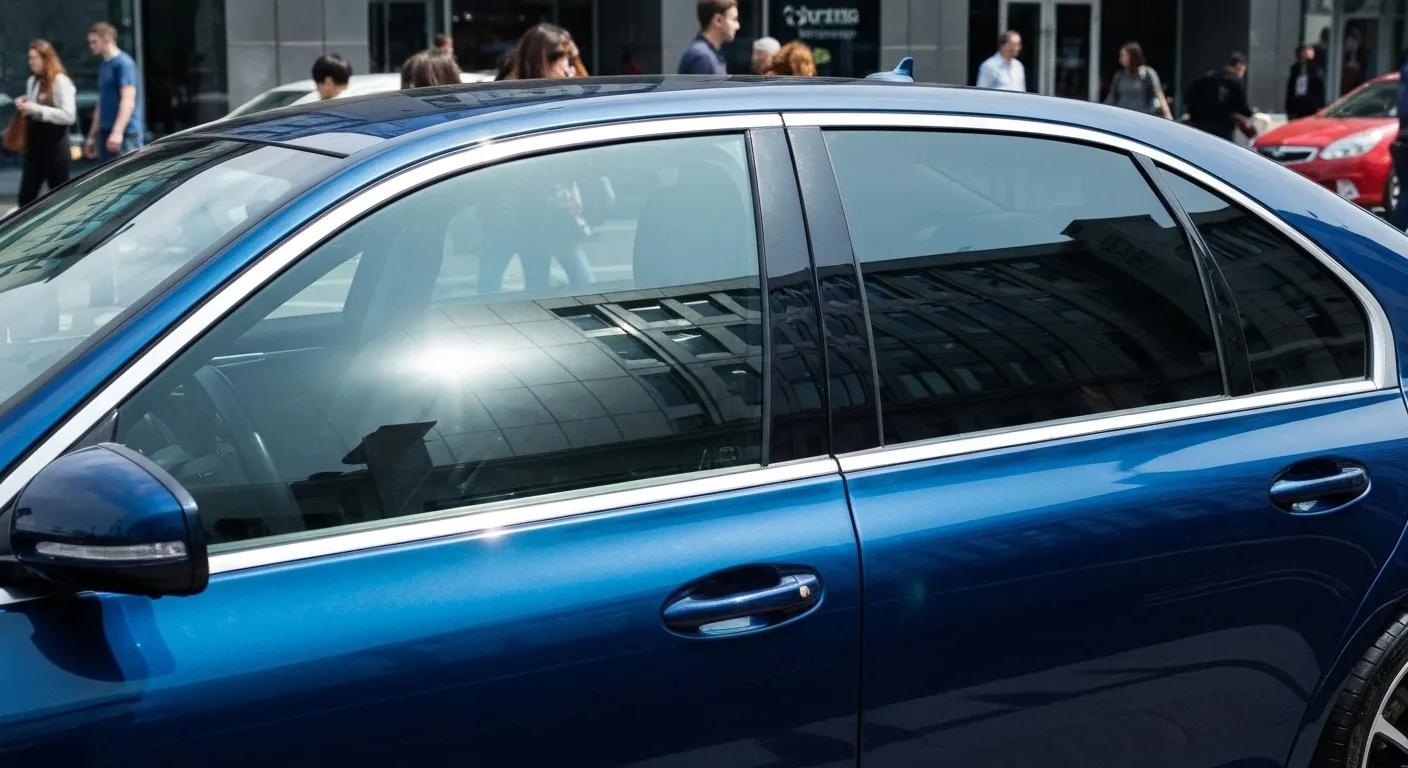
Tinted car windows reduce interior heat by up to 60%, block as much as 99% of UV radiation, and enhance privacy—yet these benefits hinge on consistent window tint care and maintenance. This guide delivers expert advice on car tint cleaning routines, post-installation precautions, troubleshooting common film issues, long-term protection strategies, environmental influences, and when to enlist professional services. You will learn how window tint film works and why proper care extends its lifespan; the precise do’s and don’ts during the critical curing phase; safe cleaning products and step-by-step methods; proactive solutions for bubbling, fading, and scratches; tailored maintenance schedules; the impact of climate and car wash types; plus recommended DIY fixes versus professional repair. By following this structured approach to window tint care, drivers preserve heat rejection, UV protection, and the sleek appearance of their tinted glass.
High-quality window tints are engineered to significantly reduce the amount of heat and harmful UV radiation entering a vehicle. These films can block up to 99% of UV rays, safeguarding occupants from skin damage and preventing interior fading. Advanced ceramic tints, for instance, can achieve up to 98% infrared heat rejection, leading to a cooler cabin and reduced reliance on air conditioning.
This research directly supports the article’s claims regarding the effectiveness of window tint in reducing interior heat and blocking UV radiation, highlighting the scientific principles and performance metrics.
Window tint film is a thin polyester or ceramic-based layer bonded to automotive glass to block UV rays, reduce glare and heat, and improve privacy. This film works by absorbing or reflecting infrared and ultraviolet light, enhancing cabin comfort and protecting interior surfaces from sun damage. Understanding these core functions lays the foundation for all subsequent tint maintenance steps.
Window tint film consists of multiple layers—an adhesive, polyester base, and often a metalized or ceramic coating—that combine to filter specific light wavelengths. By reflecting infrared radiation and absorbing ultraviolet energy, the film keeps cabin temperatures lower and guards occupants against sunburn and interior fading. Proper care preserves these functions and ensures the film does not delaminate or discolor over time.
This explanation of film composition and UV rejection sets the stage for assessing how different tint formulations demand unique care.
Below is a comparison of the primary tint types and their distinct care requirements:
| Tint Type | Composition | Care Implication |
|---|---|---|
| Dyed | Dyed polyester layer | Gentle cleaning; avoid ammonia to prevent dye bleed |
| Metallic | Embedded metal particles | Use soft cloths only; avoid abrasive materials |
| Carbon | Carbon-infused polyester | UV stable; requires regular dust removal |
| Ceramic | Nano-ceramic particles | Highest scratch resistance; safe with water-based cleaners |
Consistent maintenance prevents grime accumulation, adhesive weakening, and surface scratches, all of which lead to peeling, bubbling, or discoloration. By protecting the tint film from chemical damage and physical abrasion, drivers conserve both functional benefits—such as heat rejection—and aesthetic appeal, avoiding premature replacement costs. Regular inspections also catch minor issues early, preserving the integrity of the tint installation.
With these fundamentals established, attention turns to the crucial post-installation period when the film bonds to glass.
The curing process is when the tint adhesive chemically bonds to the window glass. During this time, the film gradually expels moisture and fully adheres, securing its performance attributes.
Curing is the period—typically three to seven days—when solvent trapped between the film and glass evaporates and the adhesive sets. Higher temperatures accelerate moisture evaporation, while cooler conditions can extend curing to two weeks. Correct curing ensures uniform adhesion and prevents premature peeling.
Understanding curing underscores why cleaning and rolling down windows prematurely can compromise film integrity and appearance.
Follow these precautions to preserve the adhesive bond:
During the curing phase, small moisture bubbles and haziness may appear; these will dissipate as the film dries. Attempting to wipe away these spots can lift the film edges or leave permanent marks. Waiting until the film is fully transparent and smooth guarantees a streak-free finish when regular cleaning begins, and it preserves the flawless look of the tint.
With the adhesive bond secure, tinted windows are ready for safe cleaning practices that sustain clarity and UV protection.
The safest cleaners for tinted glass are:
Avoid harsh solvents, alcohol-based cleaners with high concentrations, and abrasive formulas.
Ammonia-based cleaning products, with their high pH levels (around 11.6), can severely damage car window tint over time. This alkalinity can lead to fading, peeling, cracking, and spotting, diminishing the tint’s lifespan and aesthetic appeal. Industry professionals recommend using ammonia-free glass cleaners to preserve the integrity and functionality of tinted windows.
This information directly verifies the article’s warning against using ammonia-based cleaners and reinforces the recommendation for tint-safe, ammonia-free alternatives to prevent damage and extend the tint’s lifespan.
Gentle, tint-safe solutions protect the film’s adhesive and surface layers.
Soft-texture tools are essential to avoid scratching:
Using these tools prevents micro-abrasions and preserves the tint’s scratch resistance, especially on ceramic-infused films.
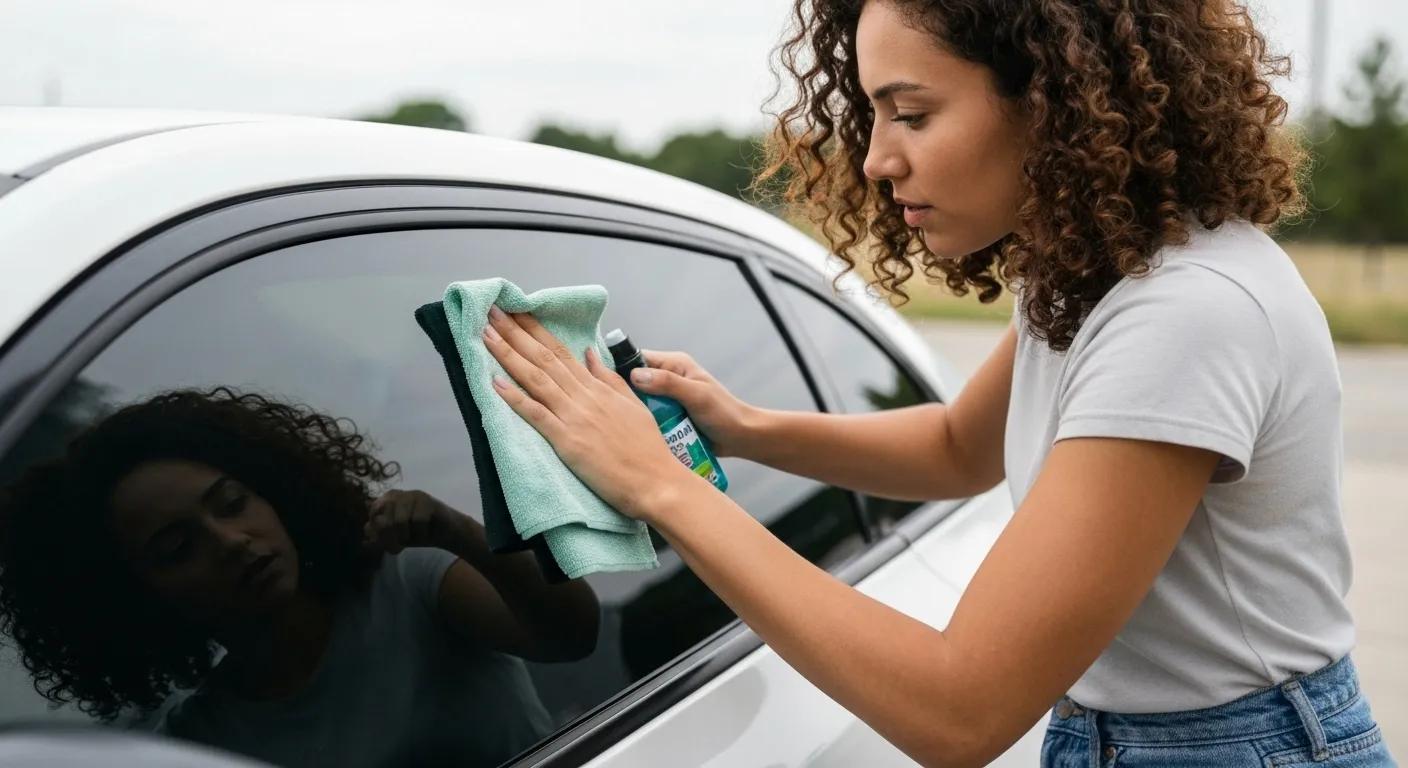
Follow this procedure for interior and exterior surfaces:
This method removes dirt and oils without stressing the tint film, ensuring maximum clarity and gloss.
Avoiding these practices safeguards the tint’s UV rejection properties and long-term adhesion.
Bubbling often results from trapped moisture or poor surface preparation before installation. Peeling occurs when the adhesive fails due to improper curing or exposure to harsh chemicals. To remedy:
Early intervention restores film adhesion and prevents moisture from undermining the tint bond.
UV rays and environmental contaminants gradually degrade dye and ceramic particles, causing a purple or milky hue. Prevention and treatment involve:
Integrating paint protection services can reinforce overall vehicle maintenance and highlight the value of complementary coatings like ceramic coatings that shield automotive paint and extend the life of window tint by reducing surface abrasion.
Scratches result from abrasive particles or improper wiping. To prevent or correct:
Adhering to gentle care routines minimizes the risk of structural damage and retains optimal heat rejection.
Limiting UV exposure not only protects occupants and interiors but also prevents the tint film’s dyes and coatings from degrading. Parking under shade trees or in garages reduces direct sun damage. In addition, retractable sunshades inside the cabin block rays when the vehicle is stationary, sustaining the tint’s heat rejection efficiency.
Conservation of UV protection directly influences when and how often inspections should occur.
A structured routine keeps tint and glass surfaces in top condition:
| Frequency | Maintenance Activity | Purpose |
|---|---|---|
| Monthly | Wipe interior and exterior glass with tint-safe cleaner | Remove dust, prevent buildup |
| Quarterly | Inspect edges and corners for lifting or bubbles | Early detection of adhesive issues |
| Bi-annually | Apply a protective spray sealant compatible with tint | Enhance water beading and loading |
Professional evaluation is advisable when:
Expert services ensure correct film removal, surface preparation, and reapplication, maintaining warranty coverage and peak performance.
Adjusting care routines to local conditions preserves the tint film’s material stability and performance.
Steam cleaners can delaminate adhesive by heating film edges unevenly, and high-pressure pretreatment tools may lift film corners. Harsh automated brushes with stiff bristles or abrasive cleaning media embed particles in the film surface, causing micro-scratches. Avoid these methods to protect both the tint’s surface coatings and the adhesive bond.
With environmental and wash factors under control, drivers can confidently approach DIY solutions and know when professional intervention is warranted.
Home remedies are effective for routine upkeep:
These tasks maintain appearance and function as long as the film remains fully adhered and free of deep damage.
Professional services become essential when:
Expert technicians use specialized tools and controlled environments to guarantee proper bonding and smooth, uniform film application.
Trusted services and products include:
Combining professional re-tinting with protective coatings enhances overall vehicle longevity and aesthetic appeal.
Maintaining tinted car windows demands attention to film science, precise cleaning methods, and proactive troubleshooting. By respecting the curing process, selecting ammonia-free solutions, using soft tools, and scheduling regular inspections, drivers preserve the performance and appearance of their window tint film. Adapting care routines to environmental conditions, understanding when to self-repair versus seeking professional tint services, and complementing tint protection with advanced ceramic coatings ensures years of optimal heat rejection, UV defense, and style. Trusting these structured maintenance strategies delivers lasting benefits and maximizes return on investment for every tinted vehicle.